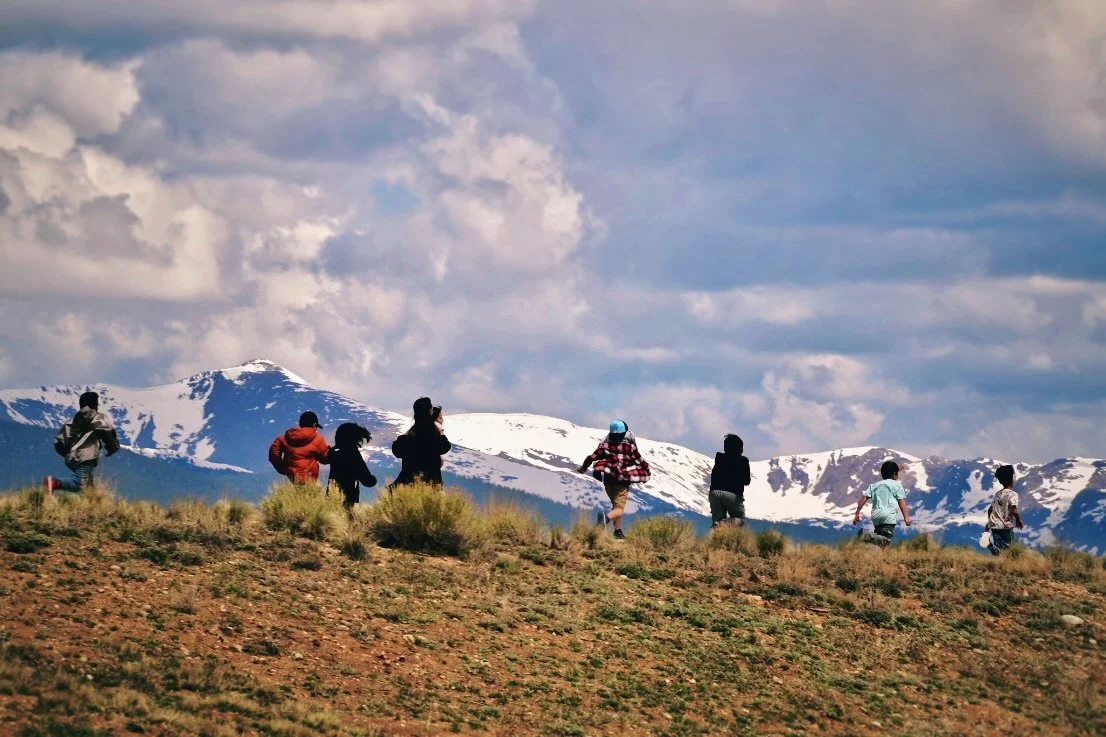

Imagining a Zero Waste Leadville
How one rural mountain town took control of its waste and built a thriving community
By Isabel Lisle, Sustainability Manager
LEADVILLE, CO — February 9th
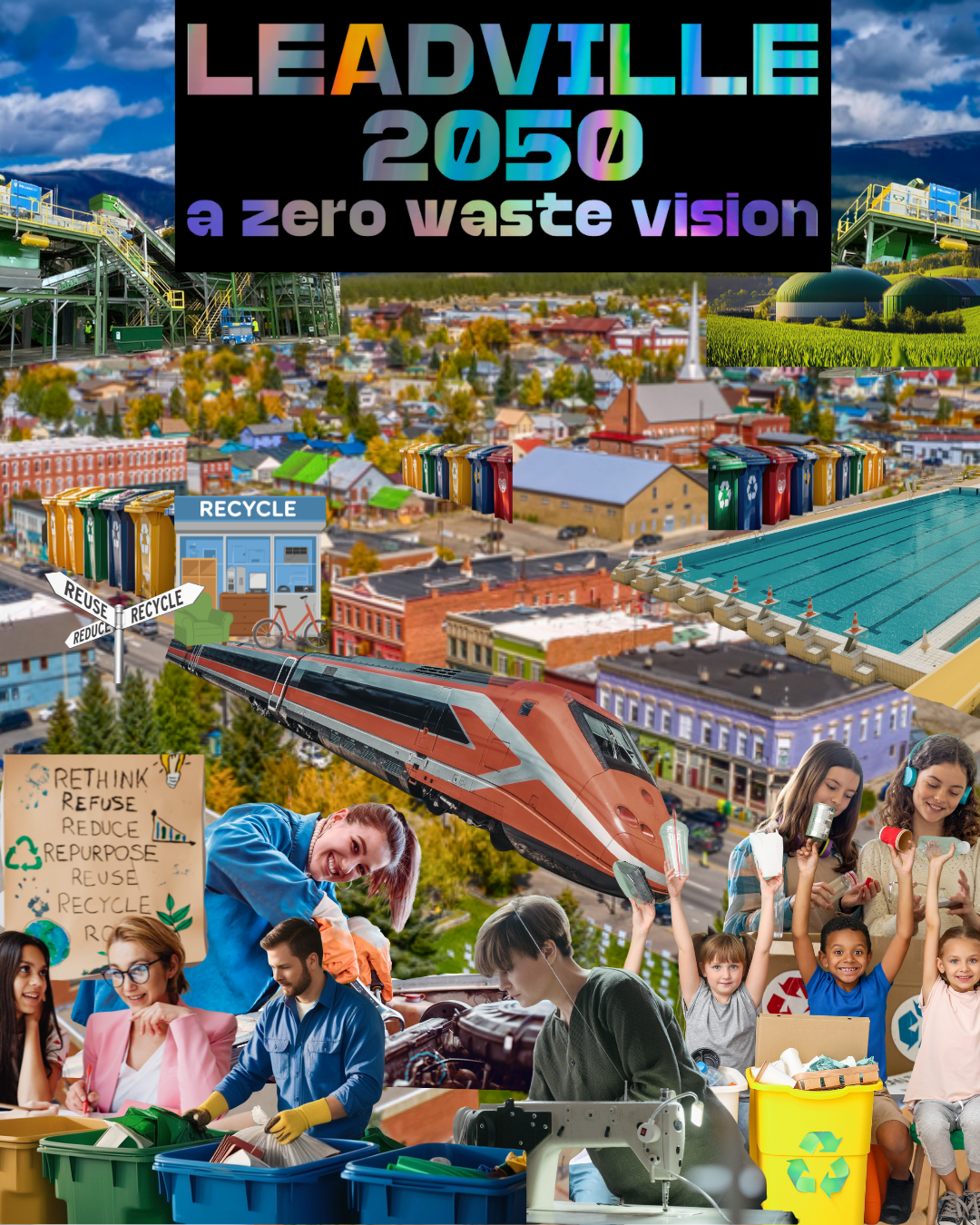
It’s the year 2050 in Leadville, and our small mountain community has become the model for rural sustainability. Even though it’s trash day, there’s almost no trash in sight. What you see instead are compost and recycling bins at every doorstep. An electric hauling truck hums quietly down the street, collecting materials as it heads toward the upgraded landfill.
This didn’t happen overnight. Years ago, as the landfill overflowed and the limits of our delicate alpine ecosystem became impossible to ignore, Leadville residents and leaders chose to act. What followed wasn’t a single policy or program, but a shift in how we understand waste, responsibility, and local power.
This is the story of how Leadville became a Zero Waste community and an icon for rural waste management.
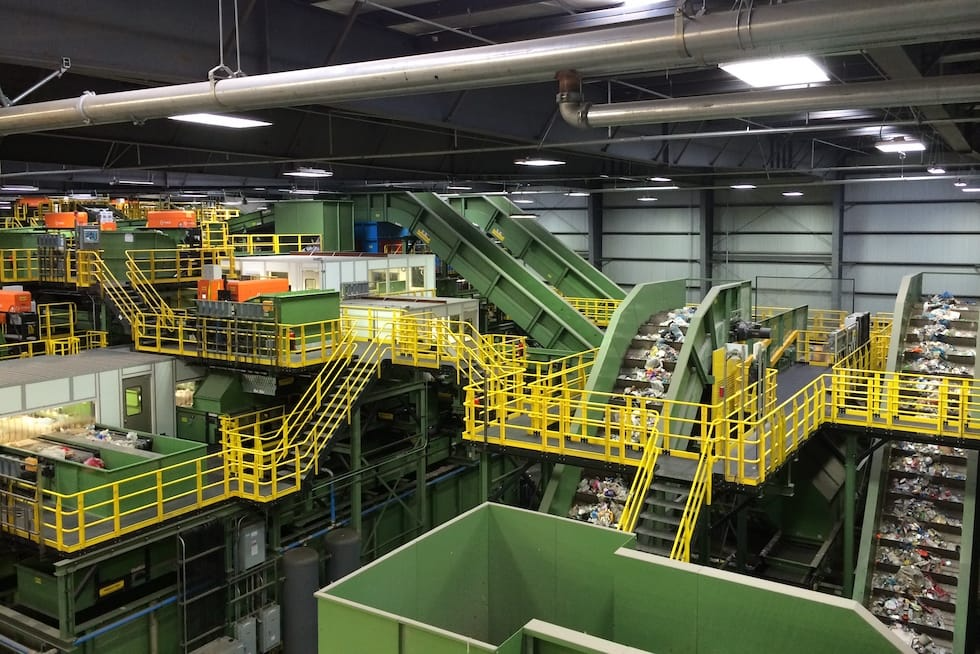
First, our local government invested in the construction of a Materials Recovery Facility (MRF), allowing materials to be sorted, processed, and recycled locally. Waste that had once been hauled long distances now generates steady revenue and good-paying jobs.
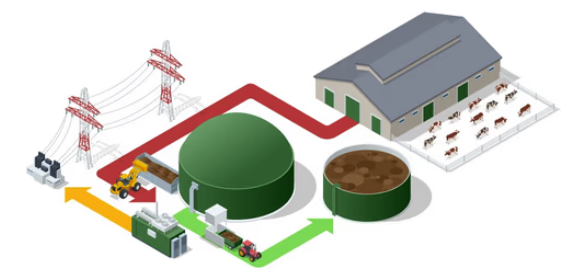
Soon after, an anaerobic digester was built to handle food scraps, transforming them into nutrient-rich fertilizers and biogas–renewable energy that powers buildings and charges an all-electric fleet of hauling trucks. Fuel costs and emissions dropped dramatically. The fertilizer is sold to farms across Colorado, strengthening the regional food system and closing the loop between consumption and production.
Education anchors everything. Lake County Schools, C4, and the landfill have partnered to teach a generation of students how to compost and recycle, and more importantly, why it matters. Kids learned that waste doesn’t disappear with a *poof*, but that trash lingers for thousands of years, leaching toxins into our soils and taking up more and more and more space.

That awareness followed the students home. Families began reusing more, shopping secondhand, and choosing products meant to last. This shift encouraged local businesses to offer better packaging, repairable goods, and fewer single-use items. Instead of an inconvenience, reuse became a source of pride for our community.
Eventually, these same students helped drive policy changes at the County level. Local government passed an ordinance requiring BPI-certified compostable packaging when feasible, and authorizing fines for excess trash generation or contamination. Incentives made participation easy, with free curbside pickup making composting and recycling the rational choice for businesses. Even the new and improved Safeway has gotten on board leading the charge on composting food scraps, donating excess food to St. George, and phasing out plastic in favor of bulk and biodegradable packaging.
Illegal dumping declined once we started treating it as a systems issue rather than a moral failure. Free disposal days expanded. Clear signage appeared at dumping hot spots. First warnings replaced immediate fines. Over time, caring for and taking pride in our landscapes became the norm. Dumping faded not just because it was illegal, but because it no longer fit who we are in Leadville.
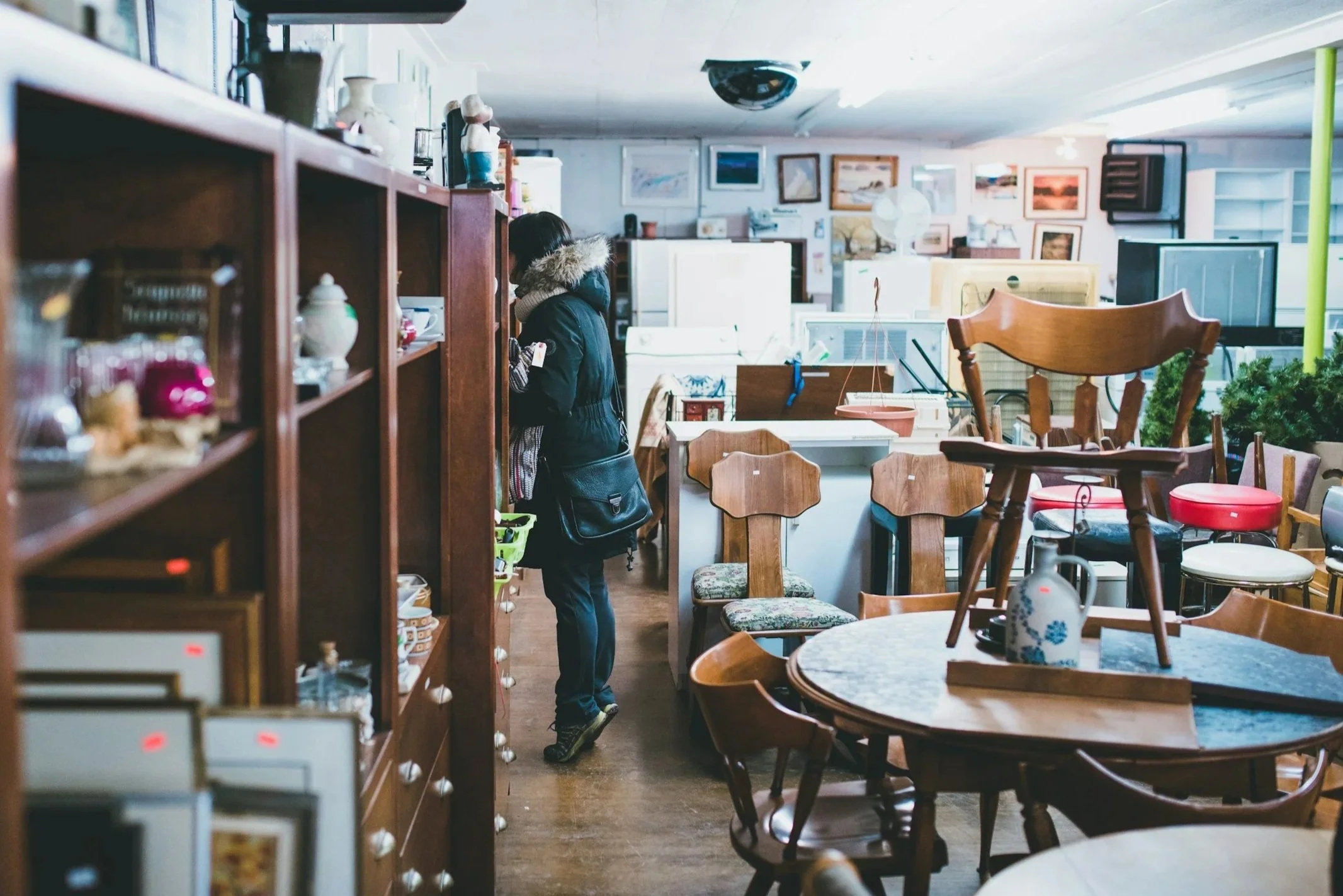
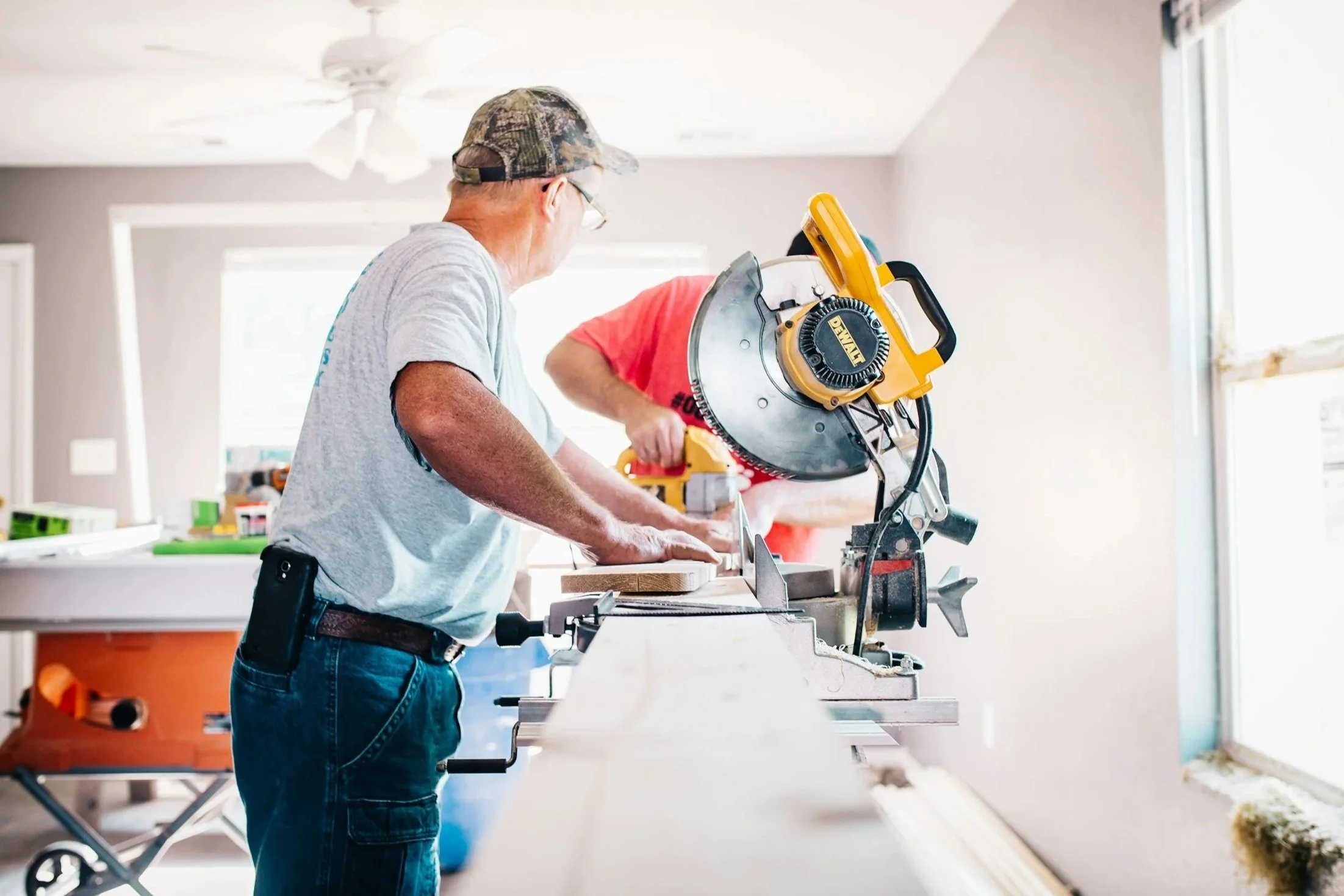
Reuse infrastructure soon had a home. A local reuse center opened for donated furniture, building materials, and appliances. The Lake County Library’s Tool Library and Library of Things expanded and flourished. Residents stopped buying tools they rarely used and started borrowing instead. It saved money, reduced waste, and simply made sense.
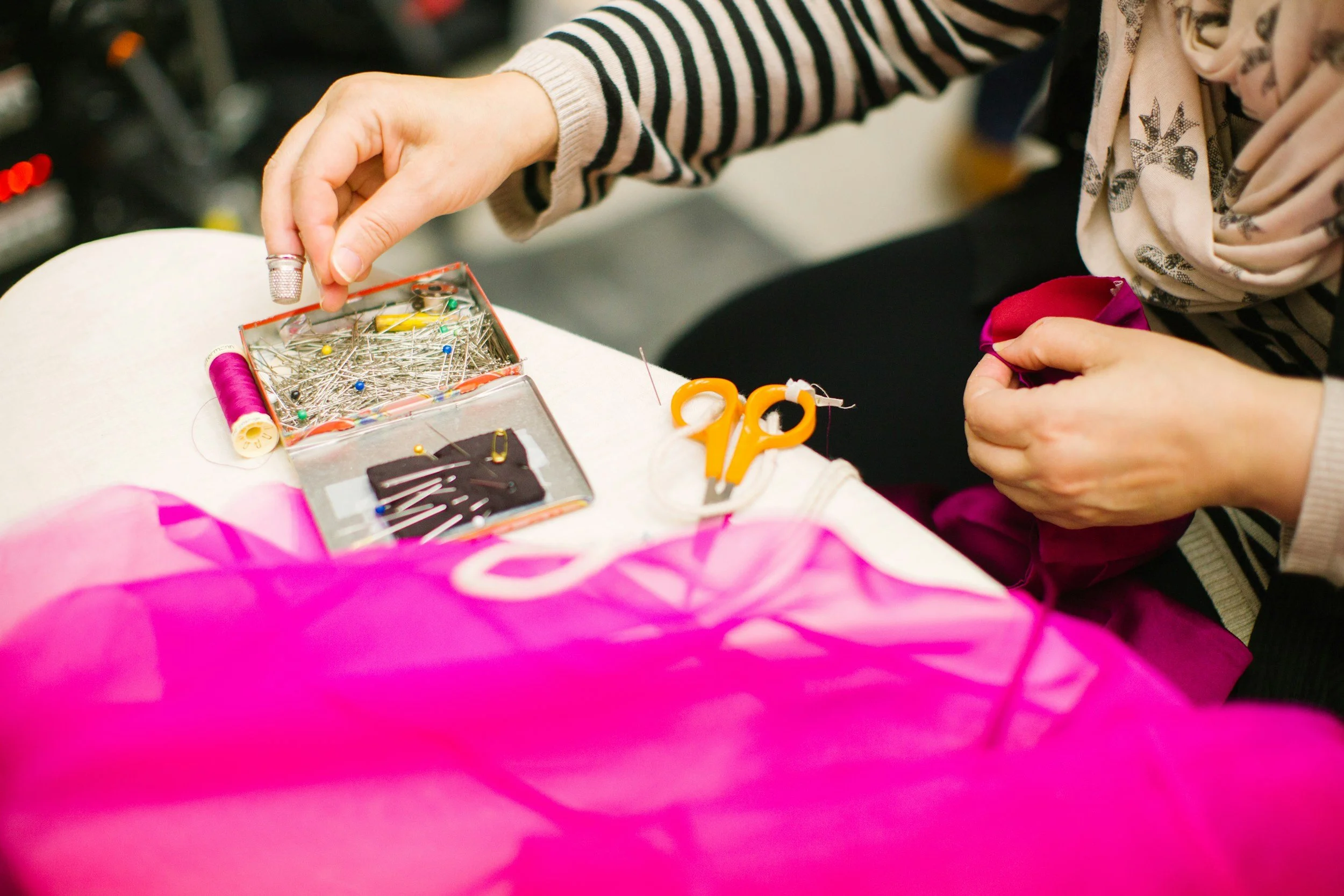
Repair followed. A Repair Store opened where broken items were fixed while residents learned how to repair their own belongings. That effort grew into a full Repair School, teaching sewing, mending, shoe repair, basic plumbing, construction, and appliance repair. Skills once at risk of being lost became sources of pride, creativity, and meaningful work in a changing economy.

Transportation changed too. A bullet train now connects Denver and Leadville, bringing visitors without the traffic and giving locals a quick car-free link to DIA without the I-70 madness. With more walkable streets, neighbors see each other more. Community life feels more connected than ever.
Other mountain towns and curious tourists began flocking to Leadville to learn how to build greener communities. The tourism department has launched a new Zero-Waste Rural Education program, offering workshops, retreats, and trainings on waste systems, reuse infrastructure, and community-led change. Program fees help reduce taxes and fully fund the new Lake County Community Center and Pool.
Zero waste has become more than a system. It’s now a shared value, woven into how we shop, learn, build, travel, and look out for one another. But Leadville’s transformation didn’t come from a single policy, technology, or bold idea. This transformation came from people choosing to care for the places they love and call home.
By treating waste as a resource, skills as worth preserving, and community as our greatest asset, Leadville has shown what’s possible. Even the smallest, snowiest, highest mountain towns can lead the way. And in 2050, Leadville stands as a reminder that when we take responsibility for what we consume and how we live, we don’t lose convenience.