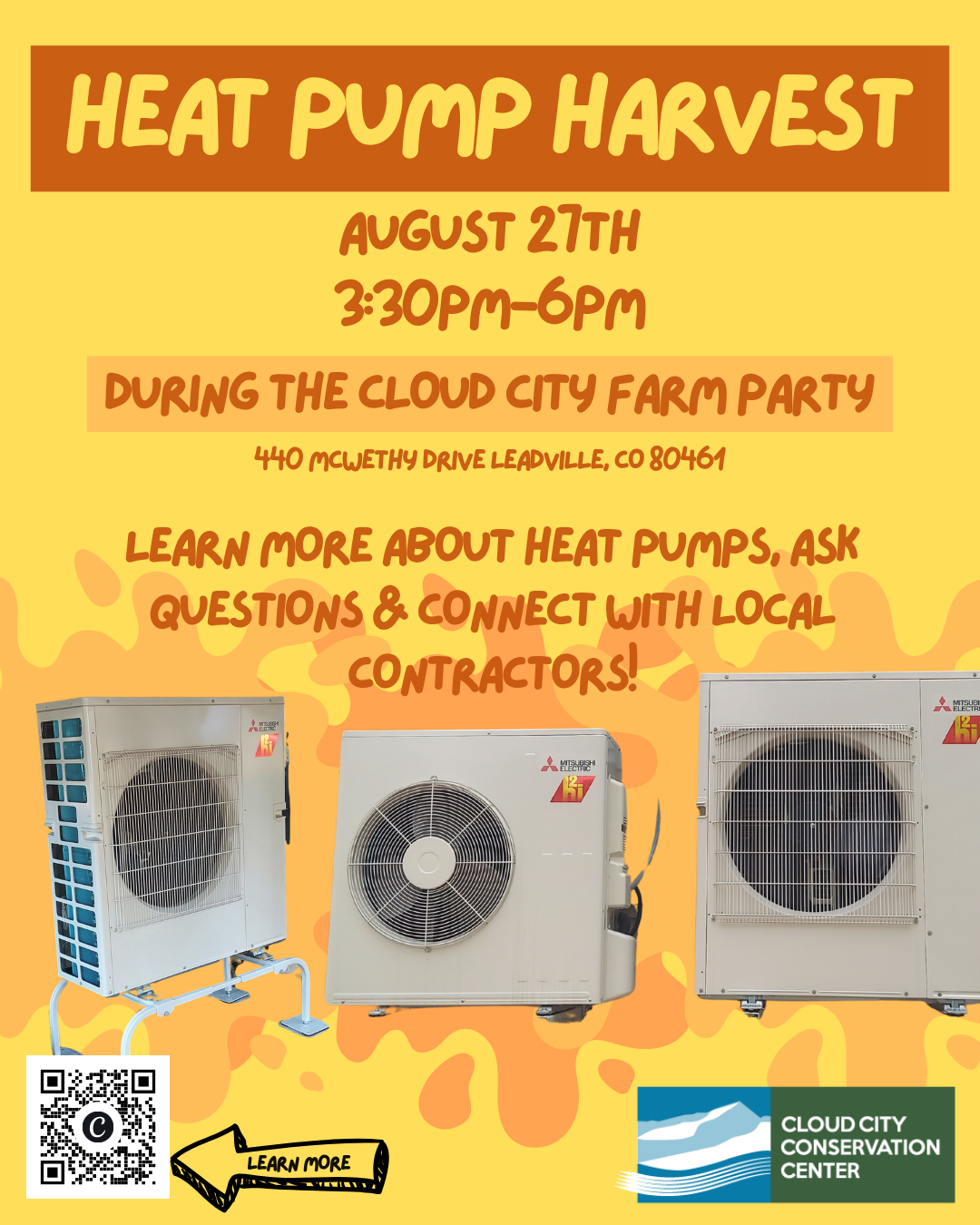

Heat Pump Harvest on August 27 at the Cloud City Farm Party
Are you frustrated with your skyrocketing utility bills? Do you want to learn more about heat pumps? Have you heard about Xcel’s Mountain Energy Project?
Stop by to:
Learn how heat pumps work & the benefits
Figure out what would work best for your home
Hear about the Mountain Energy Project
Hear about incentives (Do you qualify? Anyone can!)
Talk to others who have heat pumps or who have gone through the incentive process
Talk to local contractors
Sign up for a free home energy audit
Keep reading to learn more about heat pumps & Xcel’s Mountain Energy Project.
How do Heat Pumps Work?
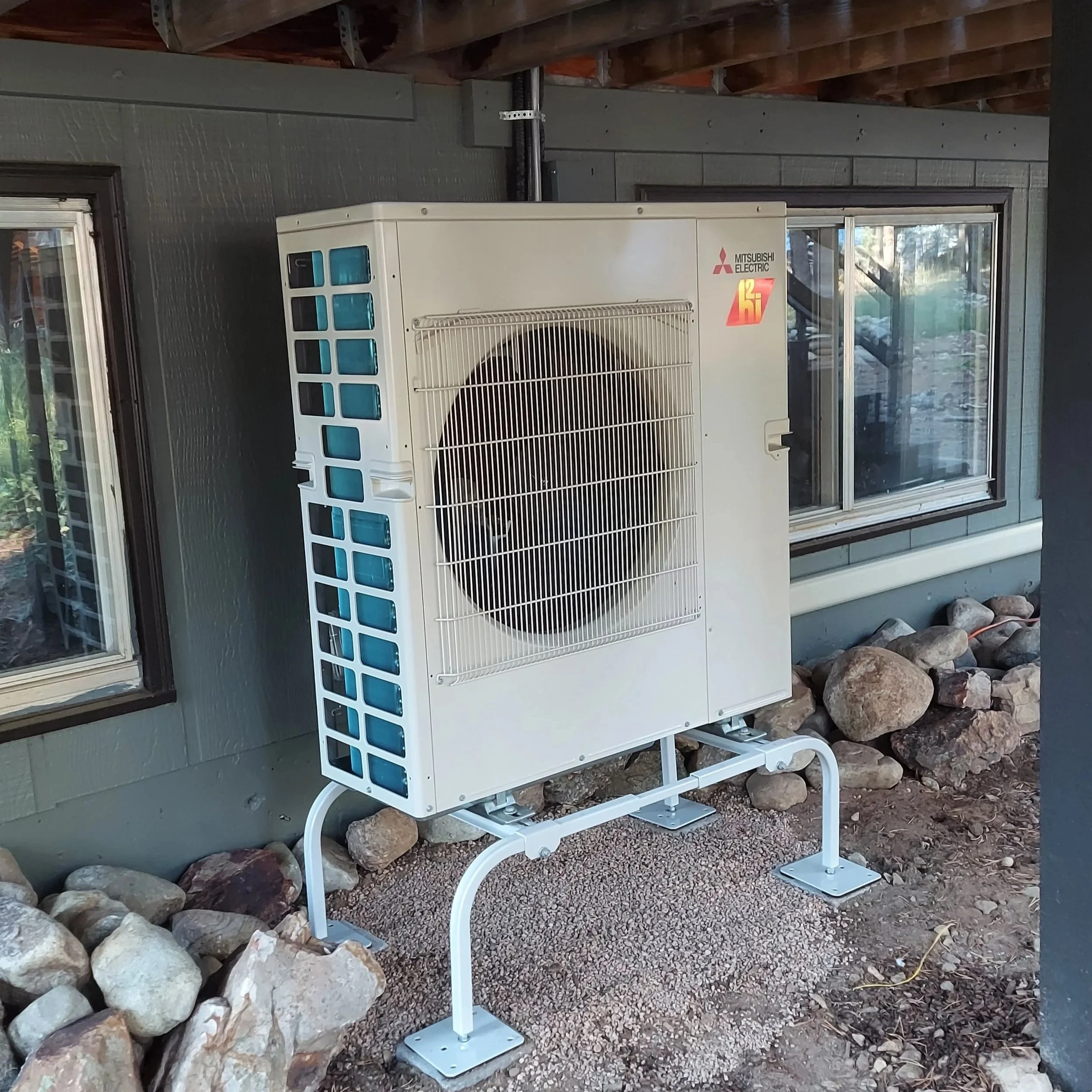
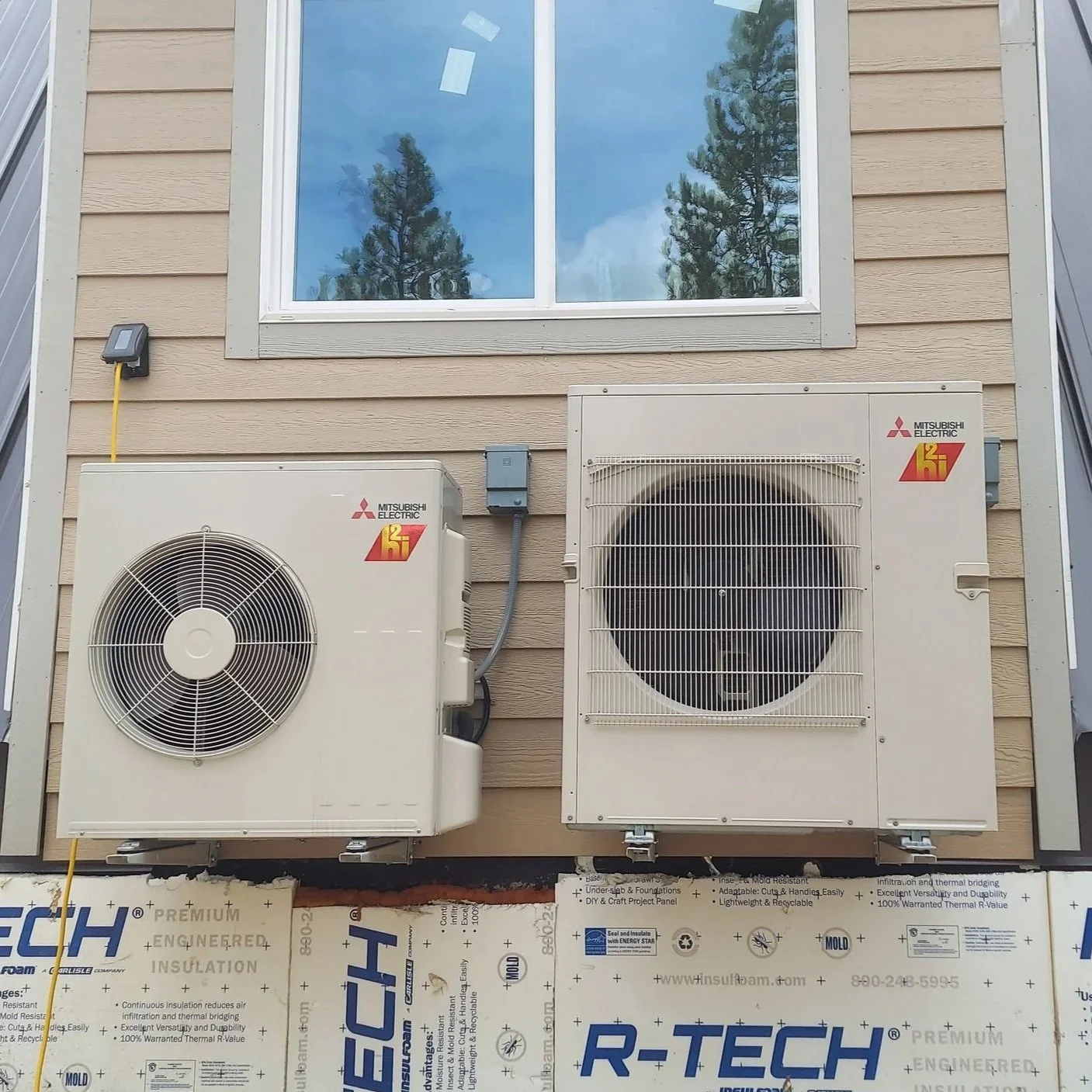
Rather than producing heat through combustion, heat pumps move heat from the outside into your home - similar to a refrigerator operating in reverse. Because they move heat rather than generate it, heat pumps are extremely efficient, and with recent innovations, cold-climate heat pumps are now designed to operate efficiently at very low temperatures.
Heat pumps can modulate their output to deliver steady, quiet, comfortable heat in varying outdoor temperatures. They can operate in both directions, serving as an air conditioner in the summer. Air conditioning is typically not a need in Leadville, but can be useful when opening a window is not an option due to wildfire smoke. Heat pumps improve indoor air quality by removing the combustion component from appliances within the home. Heat pumps also contribute to electrification and greenhouse gas reduction by converting heating systems from a fossil fuel system to an increasingly carbon-free electric grid.
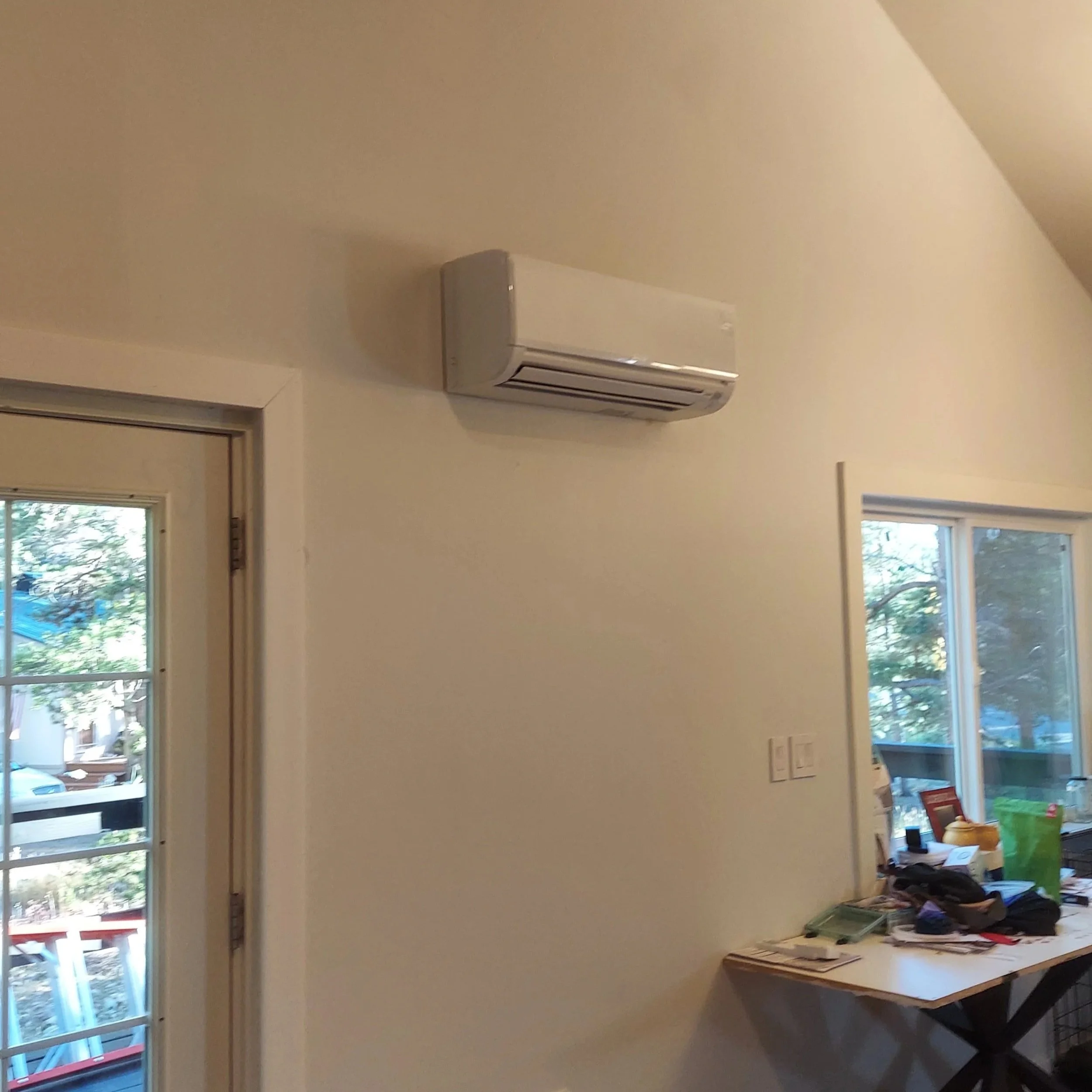
Several types of heat pumps exist and can be tailored to work with existing heating systems. Mini-splits can be added to existing systems or installed separately to replace existing systems. Centrally ducted systems can integrate directly into forced-air furnaces. Air-to-water heat pumps can integrate into radiant floor or baseboard systems. Window units can provide supplemental heating without changing existing systems. Options exist for any home, and we can discuss and advise on all of these types of heat pumps.
What is Xcel’s Mountain Energy Project?
In 2022, Xcel Energy recognized a constraint on its natural gas delivery system in Lake, Summit, and Grand Counties and proposed a new compressor and pipeline coming from the Front Range as a solution. Given Colorado’s carbon reduction goal of net-zero by 2050, an alternative solution was accepted by the PUC of $155 million to increase electrification in those counties, among other natural gas supply mitigation measures. This “non-pipeline alternative” is the Mountain Energy Project.
The incentives offered for electrification through the Mountain Energy Project are the highest incentives that we’ve ever seen. In some cases, residents are getting their entire electrification project covered. The incentives are not income based - anyone can qualify. The only requirements are that the project is in the zip code 80461 and that you have Xcel natural gas service (electric-only customers do not qualify for Mountain Energy Project rebates, as the rebates require reduction of natural gas usage on Xcel’s system).
Mountain Energy Project rebates require the removal of the natural gas equipment that is being replaced. Because the gas system has the highest risk at the coldest temperatures, Xcel requires natural gas equipment to be removed and not relied upon for backup. This is, understandably, a sticking point for many customers considering a heat pump replacement through the Mountain Energy Project. C4 recognizes this risk and believes that 1) heat pumps produce reliable heat at the coldest recorded temperatures Leadville has seen in the last 20 years, and 2) that a wood stove is the best backup system, as it is the only system that operates during a power outage without battery backup.
How do the Mountain Energy Project (MEP) Rebates apply to you?
For cold climate heat pumps, MEP rebates are $7,500 / heating ton for removal of equipment 10 years old or newer, $4,000 / heating ton for removal of equipment older than 10 years, and $1,500 / heating ton for new construction (a heating ton is defined as 12,000 BTU/hr at 5°F). There are other incentives offered for air sealing, insulation, ground source heat pumps, heat pump water heaters, and high efficiency furnaces and boilers. A full list is available from C4.
Most of the incentives require an Xcel approved contractor to do the work. Xcel maintains a list of registered contractors here. The contractor is responsible for completing the rebate application through the trade portal, and can select whether the rebate is paid to the contractor or the customer. So work with your contractor to determine if you will front the rebate or if the contractor will front the rebate, as the rebates can take 4-8 weeks to process.
Come learn about the incentives available to you and figure out what is best for your home. Believe it or not, most homes in Lake County can qualify! You can also sign up for a free energy audit through C4 and make your home more efficient, all while choosing a more sustainable option.
Visit C4 at the Heat Pump Harvest on August 27 at Cloud City Farm to learn more about the Mountain Energy Project and hear from experts about heat pumps at 10,000 feet. This event is happening in conjunction with the Cloud City Farm Party.